Stable water parameters are essential for healthy fish, plants, and invertebrates, but choosing among strips, liquid reagents, and digital testers can be confusing.
We compare 10 aquarium test kits across ease of use, test coverage, value, and suitability for freshwater and saltwater setups so you can choose the right testing routine for your tank.
Best 10 Aquarium Test Kits Picks for 2026
Best Complete Kit
API Freshwater Master Test Kit

- Tests five essential freshwater parameters
- Includes liquid reagents, tubes, and color card
- Provides up to 800 tests
Best For: Freshwater aquarists wanting broad, routine water monitoring
Best Quick-Check Strips

- Measures six parameters per strip
- Results in about 60 seconds
- Works in freshwater and saltwater
Best For: Fast weekly checks and post-maintenance monitoring
Best Ammonia Specialist
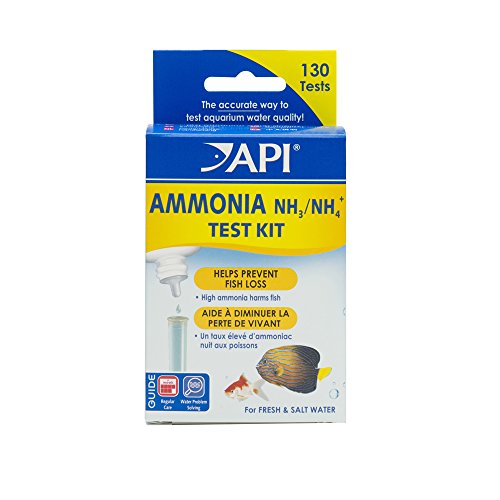
- Measures ammonia from 0 to 8 ppm
- Works with freshwater and saltwater
- Provides up to 130 tests
Best For: New aquariums and dedicated ammonia checks
Best Broad-Coverage Strips
EASYTEST 8-Way Aquarium Test Strips

- Checks eight core water metrics
- Fits freshwater, saltwater, ponds, and shrimp tanks
- Most readings develop in 15 seconds
Best For: Owners monitoring multiple types of aquatic habitats
Best Bulk Strip Kit
API 5-in-1 Test Strips, 100 Count

- Checks pH, nitrite, nitrate, carbonate hardness, and general hardness
- Includes 100 strips for regular testing
- Suitable for freshwater and saltwater aquariums
Best For: High-volume weekly aquarium monitoring
Best Comprehensive Liquid Kit
Pawfly 5-in-1 Aquarium Water Master Test Kit

- Tests pH, nitrite, nitrate, ammonia, and phosphate
- Includes 265 measurements across all parameters
- Uses liquid reagents and color-matching charts
Best For: Detailed freshwater and marine aquarium testing
Best Compact Starter Kit
API 5-in-1 Test Strips, 25 Count
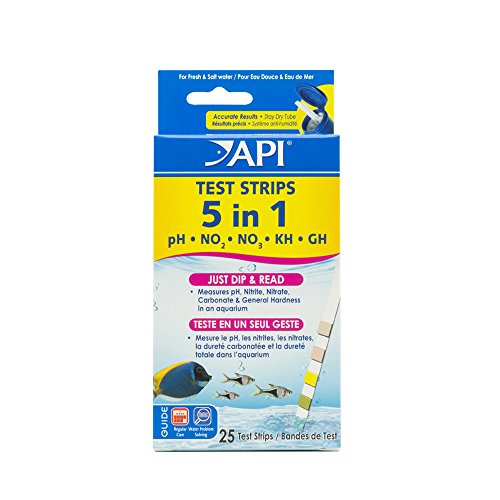
- Checks five core aquarium water parameters
- Quick dip-and-compare testing
- Works in freshwater and saltwater tanks
Best For: Occasional testing and smaller aquariums
Best All-Around Value

- Tests 11 key aquarium parameters
- Includes 150 strips and an ebook
- Suitable for freshwater and saltwater tanks
Best For: Frequent, broad aquarium water checks
Best for Reef Aquariums
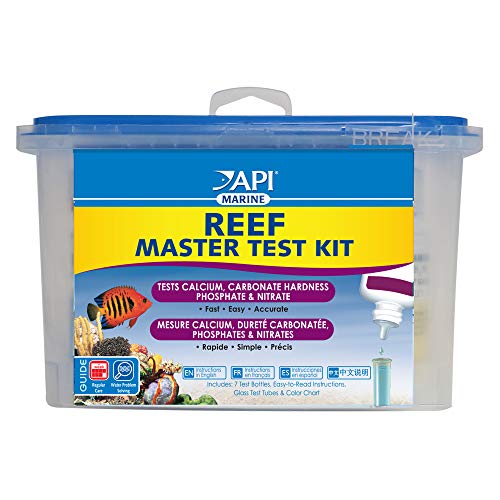
- Monitors four key reef parameters
- Uses liquid solutions with test tubes
- Includes calcium and nutrient testing
Best For: Weekly reef aquarium monitoring
Best Digital Option

- Scans strips with a mobile app
- Checks core freshwater and saltwater parameters
- Supports many tank types and maintenance tasks
Best For: App-assisted aquarium water testing
Best Complete Kit – API Freshwater Master Test Kit
API Freshwater Master Test Kit 800-Test Freshwater Aquarium Water Kit, White, Single, Multi-Colored
Check Price On AmazonFor aquarists seeking comprehensive aquarium test kits for freshwater tanks, the API Freshwater Master Test Kit checks five key water parameters with liquid testing solutions. It is designed for weekly monitoring and for investigating water or fish problems.
Best For: Freshwater aquarium owners who want a multi-parameter liquid test kit.
Pros:
- Includes 7 testing-solution bottles, four capped tubes, and a color card.
- Tests pH, high-range pH, ammonia, nitrite, and nitrate.
- Provides up to 800 tests.
- Useful for routine weekly checks and troubleshooting.
Cons:
- Designed for freshwater aquariums only.
- Liquid testing requires following individual test instructions.
This is a strong all-around choice when you want broad coverage in one freshwater-focused kit rather than testing a single parameter.
Best Quick-Check Strips – Tetra EasyStrips 6-in-1
Tetra EasyStrips are convenient aquarium test kits for fast routine checks. One strip measures six conditions—nitrates, nitrites, hardness, chlorine, alkalinity, and pH—in both freshwater and saltwater aquariums.
Best For: Aquarists who prioritize quick, simple testing across freshwater or saltwater tanks.
Pros:
- Tests six water conditions with one strip.
- Results are read in about 60 seconds.
- Suitable for freshwater and saltwater aquariums.
- Includes 100 test strips.
Cons:
- Does not include ammonia testing.
- Strip results require comparison with the included testing scale.
With a large 100-count supply and a simple dip-and-read process, this kit fits regular monitoring after water changes or when adding fish.
Best Ammonia Specialist – API Ammonia Test Kit
This API ammonia kit is a focused option among aquarium test kits, measuring ammonia from 0 to 8 ppm in freshwater or saltwater. It is especially useful when establishing a new aquarium or checking a suspected water-quality problem.
Best For: New-tank cycling and aquarists who need dedicated ammonia monitoring.
Pros:
- Reads ammonia levels from 0 to 8 ppm.
- Usable in both freshwater and saltwater aquariums.
- Supplies up to 130 tests.
- Suitable for several-times-weekly testing during setup.
Cons:
- Tests ammonia only, so additional kits are needed for other parameters.
- Requires adding solutions, shaking, waiting five minutes, and comparing colors.
Choose this kit when ammonia is your immediate priority; it complements rather than replaces a full water-testing system.
Best Broad-Coverage Strips – EASYTEST 8-Way Aquarium Test Strips
EASYTEST 8-Way strips offer broad coverage for aquarists comparing aquarium test kits for different aquatic environments. The strips measure pH, hardness, alkalinity, chlorine, nitrate, nitrite, carbonate, and ammonia nitrogen in freshwater, saltwater, shrimp tanks, and ponds.
Best For: Multi-tank owners who want one strip-based kit for varied aquatic habitats.
Pros:
- Measures eight water metrics, including ammonia nitrogen.
- Works with freshwater, saltwater, shrimp tanks, planted tanks, and ponds.
- Uses a three-step process with readings as soon as 15 seconds for most indexes.
- Includes a graded chart showing safe and risky levels.
Cons:
- Ammonia testing requires cutting off the ammonia pad.
- Nitrate and nitrite readings take up to 60 seconds.
- Includes 50 strips, fewer than some larger-count options.
This kit is appealing for broad at-home screening across multiple setups, particularly when convenience and parameter coverage matter more than a single-parameter liquid test.
Best Bulk Strip Kit – API 5-in-1 Test Strips, 100 Count
API 5-IN-1 TEST STRIPS Freshwater and Saltwater Aquarium Test Strips 100-Count Box
Check Price On AmazonIf you want a straightforward aquarium test kit for routine checks, the API 5-in-1 Test Strips provide a quick way to monitor pH, nitrite, nitrate, carbonate hardness, and general hardness. The 100-count container is suited to regular weekly testing in freshwater or saltwater aquariums.
Best For: Aquarium owners who want convenient, high-volume water testing for weekly monitoring.
Pros:
- Tests five key water parameters: pH, nitrite, nitrate, carbonate hardness, and general hardness.
- Includes 100 test strips for ongoing monitoring.
- Works with both freshwater and saltwater aquariums.
- Dip-and-compare format delivers fast results without liquid reagents.
Cons:
- Does not test ammonia or phosphate.
- Color-based strip results may provide less detail than a liquid-reagent kit.
Choose this version when testing frequency and convenience matter most. Its larger strip count makes it a practical option for continued aquarium maintenance.
Best Comprehensive Liquid Kit – Pawfly 5-in-1 Aquarium Water Master Test Kit
Among aquarium test kits, the Pawfly 5-in-1 Aquarium Water Master Test Kit stands out for covering ammonia and phosphate alongside pH, nitrite, and nitrate. Its liquid reagents and color charts are designed for more detailed testing in freshwater and marine aquariums.
Best For: Fishkeepers who want broad parameter coverage and a large supply of liquid-reagent tests.
Pros:
- Tests pH, nitrite, nitrate, ammonia, and phosphate.
- Provides up to 265 measurements across the included parameters.
- Uses liquid reagents with color-matching charts for testing.
- Suitable for both freshwater and saltwater fish tanks.
Cons:
- Liquid testing is likely less immediate than dipping a test strip.
- Requires measuring and comparing samples with color charts.
- Directions specify use by adults 18 years and older.
This is the most comprehensive option in the group for monitoring ammonia and phosphate as well as the standard core parameters. It makes sense for aquarists who prioritize coverage and repeated testing over maximum simplicity.
Best Compact Starter Kit – API 5-in-1 Test Strips, 25 Count
API 5-in-1 Test Strips Freshwater and Saltwater Aquarium Test Strips 25-Count Box
Check Price On AmazonThe 25-count API 5-in-1 Test Strips offer a simple entry point for aquarium water testing. They check pH, nitrite, nitrate, carbonate hardness, and general hardness, making them useful for occasional checks in freshwater or saltwater tanks.
Best For: New or occasional aquarium testers who want a smaller supply of quick-use strips.
Pros:
- Measures five important water parameters.
- Simple dip-and-compare testing format.
- Designed for freshwater and saltwater aquariums.
- Compact 25-strip quantity suits lighter testing needs.
Cons:
- Provides fewer tests than the 100-count version.
- Does not include ammonia or phosphate testing.
- Color-based results may be less detailed than liquid-reagent testing.
Consider this pack if you are starting out, testing occasionally, or want a smaller commitment before buying in bulk. For frequent weekly monitoring, the larger 100-count package may be more practical.
Best All-Around Value – 11-in-1 Aquarium Test Strips
If you want broad coverage from one affordable kit, these aquarium test kits combine 11 water checks with a large supply of strips. The color chart makes the process straightforward for routine freshwater or saltwater testing.
Best For: Aquarium owners who want frequent, at-home screening across multiple water parameters.
Pros:
- Tests 11 parameters, including ammonia, pH, hardness, chlorine, nitrate, nitrite, alkalinity, copper, and temperature.
- Includes 150 strips, with strips divided between a bottle and separate bags to help maintain freshness.
- Works with freshwater tanks, saltwater aquariums, betta tanks, and fish ponds.
- Includes a color chart, testing tubes, and an aquarium-water ebook.
Cons:
- Results require matching strip colors with the included chart.
- The manufacturer recommends using opened strips within three months for maximum accuracy.
This is a versatile choice for hobbyists who value testing breadth and a high strip count. It is especially practical for regular monitoring, though users seeking app-based readings or specialized reef testing may prefer another format.
Best for Reef Aquariums – API Reef Master Test Kit
For reef keepers who need focused monitoring, this specialized aquarium test kit checks four important reef-water parameters with liquid testing solutions, test tubes, and color cards.
Best For: Reef aquarium owners who want to track calcium, carbonate hardness, phosphate, and nitrate on a weekly schedule.
Pros:
- Measures four vital reef parameters: calcium, carbonate hardness, phosphate, and nitrate.
- Includes seven testing-solution bottles, two color cards, and four capped test tubes.
- Designed for weekly monitoring and for investigating water or fish problems.
Cons:
- Designed for reef aquariums only, so it is less versatile for general freshwater use.
- Liquid tests require following separate instructions for each parameter.
This kit is a focused option rather than a general-purpose aquarium tester. Its dedicated reef coverage makes it a logical fit for saltwater hobbyists who prioritize the listed mineral and nutrient measurements.
Best Digital Option – App-Enabled 10-in-1 Test Kit
This app-connected option modernizes aquarium test kits by letting you scan strips for digital results instead of relying solely on printed color comparisons. It covers core freshwater and saltwater parameters for routine tank maintenance.
Best For: Beginners and experienced aquarists who prefer app-assisted readings for freshwater, saltwater, reef, shrimp, or other listed aquarium setups.
Pros:
- Uses the DROPLYTIX app to scan strips and provide digital results.
- Monitors ammonia, nitrate, nitrite, pH, GH, KH, chlorine, and other listed parameters in a 10-in-1 format.
- Supports freshwater, saltwater, reef, planted, shrimp, betta, turtle, and axolotl tanks.
- Useful for aquarium cycling, water changes, and regular maintenance.
Cons:
- Requires use of the mobile app rather than a standalone printed color chart.
- The supplied details specify a 10-count unit, so the included strip quantity is more limited than high-count strip kits.
This is a strong fit if digital guidance is more appealing than manually comparing colors. Its broad compatibility is useful for varied aquarium setups, while app dependence may be less convenient for shoppers seeking a completely offline test.
How We Picked the Best Aquarium Test Kits
We evaluated these Aquarium Test Kits by looking at the parameters they measure, testing format, stated test capacity, freshwater or saltwater compatibility, and practical usability. We also considered whether each option is better suited to routine screening, cycling a new aquarium, diagnosing a problem, or maintaining a reef system.
Test coverage matters, but more tests are not automatically better. A simple strip kit may be ideal for frequent checks, while a liquid-reagent kit can provide a more detailed picture when ammonia, nitrite, nitrate, or pH needs closer monitoring.
Quick Comparison
| Kit Type | Best For | Main Advantage |
|---|---|---|
| Liquid master kit | New tanks and detailed monitoring | Broad parameter coverage |
| Test strips | Fast routine checks | Simple, low-mess testing |
| Ammonia-only kit | Diagnosing toxic ammonia | Focused monitoring |
| Reef test kit | Marine reef aquariums | Reef-specific parameters |
| Digital or app-enabled kit | Users wanting guided readings | Convenient result tracking |
Key Buying Factors for Aquarium Test Kits
Parameters and Tank Type
At minimum, most freshwater keepers should monitor pH, ammonia, nitrite, and nitrate. Saltwater and reef aquariums may also require tests for salinity, alkalinity, calcium, or other chemistry values. Confirm that the kit supports your water type before buying.
Strips Versus Liquid Tests
Strips are quick and convenient, making them useful for frequent screening. Liquid kits generally involve more steps but can offer clearer color comparisons and broader control during cycling or troubleshooting. Keep containers sealed and follow timing instructions closely with either format.
Test Quantity and Replacement Cost
Compare the number of tests rather than package size alone. A lower-cost kit may become expensive if replacement strips or reagents are difficult to find. High-volume kits are often the better value for large tanks, multiple aquariums, or frequent testing.
Reading Clarity and Record Keeping
Choose color charts that are easy to read under consistent lighting. Digital and app-enabled options may simplify logging, but verify how results are calibrated and whether replacement components are proprietary.
Who Should Buy Which Aquarium Test Kits?
- New aquarium owners: Choose a broad freshwater master kit covering ammonia, nitrite, nitrate, and pH.
- Busy fish keepers: Test strips offer fast checks with minimal cleanup.
- Anyone cycling a tank: Prioritize a detailed liquid kit and monitor ammonia and nitrite regularly.
- Ammonia troubleshooting: An ammonia-specific kit can complement a broader test set.
- Reef aquarists: Select a marine or reef-focused kit that measures the parameters your livestock requires.
- Tech-oriented users: A digital or app-enabled tester may make tracking easier, provided its readings are verified and used consistently.
Whichever kit you choose, test at consistent times, record results, and investigate sudden changes rather than relying on a single reading. Water tests support good aquarium care, but they work best alongside appropriate maintenance, filtration, and stocking practices.