Stable water quality is essential for healthy freshwater fish, but clear-looking water can still contain unsafe ammonia, nitrite, nitrate, or pH levels. The right test kit makes routine checks faster and helps you respond before problems become visible.
We compare 10 aquarium test kits for freshwater tanks, from comprehensive liquid-based systems to quick multi-parameter strips, so you can match testing speed, coverage, and value to your aquarium.
Best 10 Aquarium Test Kits for Freshwater Tanks Picks for 2026
Proven Liquid Testing
API Freshwater Master Test Kit

- Tests five key freshwater parameters
- Includes solutions, tubes, and color card
- Up to 800 tests for routine monitoring
Best For: Freshwater aquarists wanting comprehensive liquid testing
Fast Multi-Parameter Strips
EASYTEST 8-Way Aquarium Test Strips

- Measures eight core water metrics
- 50 strips for frequent checks
- Fast color readings with no extra gear
Best For: Convenient at-home testing across multiple aquarium types
Simple Weekly Checks

- Checks five common water parameters
- Dip-and-read testing process
- Works in freshwater and saltwater aquariums
Best For: Quick weekly screening of basic aquarium water conditions
Extended Liquid Coverage
Pawfly 5-in-1 Aquarium Test Kit

- Tests pH, ammonia, nitrite, nitrate, and phosphate
- Provides 265 total measurements
- Works for freshwater and marine tanks
Best For: Liquid testing with phosphate coverage and extended use
Best Everyday Monitoring

- Checks five core water parameters
- Includes 100 dip test strips
- Designed for quick weekly monitoring
Best For: Simple routine freshwater water checks
Most Comprehensive Strip Kit

- Covers 11 water-quality parameters
- Includes 150 strips and testing accessories
- Comes with a color chart and eBook
Best For: Broad, frequent at-home aquarium testing
Best for Ammonia Checks
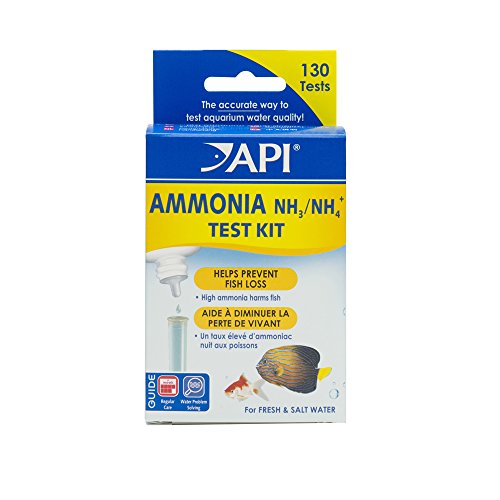
- Reads ammonia from 0 to 8 ppm
- Provides up to 130 tests
- Includes freshwater and saltwater color cards
Best For: New tanks and repeated ammonia monitoring
Best Everyday Strip Kit
AAwipes 8-in-1 50-Strip Aquarium Test Kit

- Tests eight key water parameters
- 50 strips for routine monitoring
- Sealed bottle helps resist moisture
Best For: Freshwater aquarists seeking convenient regular checks
Best for Extra Monitoring
DaToo 8-in-1 Kit with Thermometer
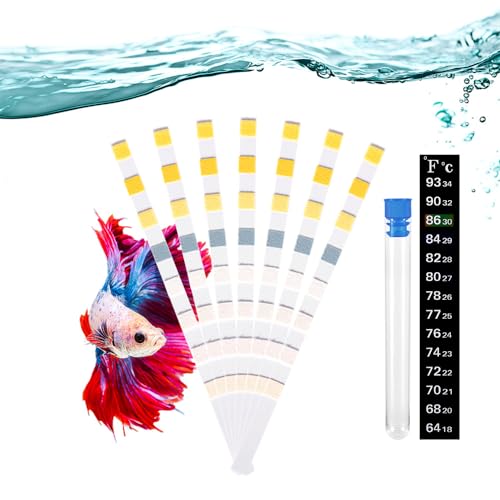
- Checks eight chemistry parameters plus temperature
- Includes 100 strips
- Double-sealed for moisture protection
Best For: Hobbyists wanting chemistry and temperature checks together
Best Bulk Value
AAwipes 8-in-1 150-Strip Aquarium Test Kit

- Includes 150 strips for extended testing
- Checks eight important parameters
- Works across freshwater and other setups
Best For: Frequent testers and multi-tank aquarium owners
Proven Liquid Testing – API Freshwater Master Test Kit
API Freshwater Master Test Kit 800-Test Freshwater Aquarium Water Kit, White, Single, Multi-Colored
Check Price On AmazonFor aquarists seeking aquarium test kits for freshwater tanks, the API Freshwater Master Test Kit offers liquid testing for five essential water parameters. Its included solutions, tubes, color card, and instructions support routine weekly checks and troubleshooting when water or fish problems appear.
Best For: Freshwater aquarium owners who want a comprehensive liquid test kit for pH, ammonia, nitrite, and nitrate monitoring.
Pros:
- Tests pH, high-range pH, ammonia, nitrite, and nitrate.
- Includes seven testing-solution bottles, four tubes with caps, and a color card.
- Provides up to 800 tests for ongoing weekly monitoring.
- Designed specifically for freshwater aquariums.
Cons:
- Not designed for saltwater aquariums.
- Liquid testing requires following the individual test instructions.
This is a strong all-purpose choice when you want broad coverage of the primary freshwater parameters and enough capacity for regular maintenance.
Fast Multi-Parameter Strips – EASYTEST 8-Way Aquarium Test Strips
For convenient aquarium test kits for freshwater tanks, EASYTEST 8-way strips provide quick readings without extra equipment. The 50-strip pack checks eight water metrics and uses a graded color chart to help identify safer and riskier levels during regular monitoring.
Best For: Aquarists who prefer fast, at-home strip testing across freshwater, shrimp, planted, or other aquatic setups.
Pros:
- Checks pH, hardness, alkalinity, chlorine, nitrate, nitrite, carbonate, and ammonia nitrogen.
- Includes 50 strips for frequent testing.
- Simple three-step process with readings available in about 15 to 60 seconds.
- Suitable for freshwater and saltwater tanks, shrimp tanks, planted tanks, and ponds.
Cons:
- Ammonia testing requires cutting off the ammonia pad for accurate testing.
- Different metrics require different read times.
This kit suits routine checks where speed and broad parameter coverage matter more than using separate liquid reagents and tubes.
Simple Weekly Checks – API 5-in-1 Test Strips
Among aquarium test kits for freshwater tanks, API 5-in-1 Test Strips are a straightforward option for quick weekly screening. Dip a strip into the aquarium water and compare the colors to check five commonly monitored parameters.
Best For: Freshwater or saltwater aquarium owners who want a compact, dip-and-read test for regular care.
Pros:
- Checks pH, nitrite, nitrate, carbonate, and general hardness.
- Uses a simple dip-and-read color process.
- Suitable for freshwater and saltwater aquariums.
- Useful for weekly monitoring or investigating water problems.
Cons:
- The package contains only four test strips.
- Does not test ammonia.
This is best viewed as a basic screening tool for the listed parameters, especially when you value simplicity and a fast testing routine.
Extended Liquid Coverage – Pawfly 5-in-1 Aquarium Test Kit
For shoppers comparing aquarium test kits for freshwater tanks, the Pawfly 5-in-1 kit combines liquid reagents with coverage of ammonia and phosphate alongside pH, nitrite, and nitrate. Its color-matching charts and 265 total measurements support extended monitoring in freshwater or marine aquariums.
Best For: Aquarists who want liquid-reagent testing that includes phosphate and a stated measurement count for longer-term use.
Pros:
- Tests pH, nitrite, nitrate, ammonia, and phosphate.
- Includes 265 measurements across the five parameters.
- Uses liquid reagents and color-matching charts.
- Suitable for freshwater and saltwater fish tanks.
Cons:
- Requires color comparison and liquid-reagent testing.
- The supplied directions specify use by adults 18 years and older.
Pawfly is a practical pick when phosphate monitoring is important and you prefer a liquid kit with defined quantities for each testing category.
Best Everyday Monitoring – API 5-in-1 Test Strips
API 5-IN-1 TEST STRIPS Freshwater and Saltwater Aquarium Test Strips 100-Count Box
Check Price On AmazonFor straightforward aquarium test kits for freshwater tanks, the API 5-in-1 strips offer a quick way to check pH, nitrite, nitrate, carbonate hardness, and general hardness. Dip a strip, compare the colors, and use the results for weekly monitoring or when water or fish problems appear.
Best For: Freshwater keepers who want simple, routine monitoring of five core water parameters.
Pros:
- Tests pH, nitrite, nitrate, carbonate hardness, and general hardness.
- Includes 100 test strips for regular checks.
- Fast, simple dip-and-compare testing.
Cons:
- Does not test ammonia or temperature.
- Color-strip readings may provide less detail than a dedicated liquid test.
This is a practical choice when convenience matters most and you need broad weekly water-quality checks without handling liquid reagents. Consider a separate ammonia test if you are starting a tank or troubleshooting fish concerns.
Most Comprehensive Strip Kit – 11-in-1 Aquarium Test Strips
Among aquarium test kits for freshwater tanks, this 11-in-1 strip kit covers a particularly broad list of measurements, including ammonia, pH, iron, chlorine, hardness, nitrate, nitrite, alkalinity, copper, and temperature. It is designed for quick testing with a color chart and includes 150 strips across separate packaging.
Best For: Aquarists who want wide parameter coverage and frequent at-home testing with strips.
Pros:
- Tests 11 parameters, including ammonia and temperature.
- Includes 150 strips, with some stored separately to help maintain freshness.
- Includes a color chart, testing tubes, and an educational eBook.
- Usable for freshwater, saltwater, betta tanks, and fish ponds.
Cons:
- The broad results require comparing multiple color fields accurately.
- The notes recommend using opened strips within three months for maximum accuracy.
This kit is appealing if you want one convenient package for many water-quality checks. Its extensive coverage is useful for ongoing maintenance, though careful storage and timely use are important.
Best for Ammonia Checks – API Ammonia 130-Test Kit
For aquarium test kits for freshwater tanks that focus on a key danger, the API Ammonia Test Kit provides dedicated liquid testing for ammonia from 0 to 8 ppm. Its 130-test supply is suited to new-tank monitoring, weekly checks, and investigating potential water problems.
Best For: New aquariums and fish keepers who need detailed, repeated ammonia monitoring.
Pros:
- Measures ammonia from 0 to 8 ppm.
- Provides enough solution for up to 130 tests.
- Includes separate freshwater and saltwater color cards.
- Useful several times a week during new-tank setup.
Cons:
- Tests ammonia only, so it does not replace a complete water test kit.
- Requires timed liquid-reagent steps and rinsing the test tube after use.
This is a focused companion test rather than an all-in-one kit. Choose it when ammonia is your primary concern, especially during cycling or when fish health and water quality problems arise.
Best Everyday Strip Kit – AAwipes 8-in-1 50-Strip Aquarium Test Kit
For routine aquarium maintenance, the AAwipes 8-in-1 kit is a practical option among aquarium test kits for freshwater tanks. Its strips check eight parameters, including pH, ammonia nitrogen, nitrate, nitrite, hardness, alkalinity, chlorine, and sodium chloride, with results read from a color chart.
Best For: Freshwater aquarists who want a compact, at-home strip kit for regular water checks.
Pros:
- Tests eight commonly monitored water parameters.
- Includes 50 strips for recurring checks.
- Sealed bottle helps protect strips from moisture.
- Can also be used with ponds, shrimp tanks, and saltwater setups.
Cons:
- Ammonia nitrogen requires a separate dip and a longer wait time.
- Results rely on visually matching colors to the chart.
The 50-strip count suits hobbyists who test regularly without needing a large reserve. Follow the different timing instructions for pads 1–7 and ammonia nitrogen to get the intended readings.
Best for Extra Monitoring – DaToo 8-in-1 Kit with Thermometer
The DaToo kit adds temperature monitoring to a broad strip-based water check, making it a flexible choice among aquarium test kits for freshwater tanks. It measures pH, ammonia, alkalinity, carbonate, hardness, chlorine, nitrate, and nitrite, and includes a thermometer for a ninth parameter.
Best For: Aquarium owners who want water-chemistry strips plus a separate temperature check in one kit.
Pros:
- Covers eight chemical parameters and temperature.
- Includes 100 strips for frequent testing.
- Thickened fiber paper is designed to resist tearing and color bleeding.
- Double-sealed packaging is intended to help preserve freshness.
Cons:
- Ammonia readings take longer than the other strip readings.
- Color-chart interpretation may be less convenient than an electronic meter.
With 100 strips and an added thermometer, DaToo is well suited to aquarists who want more frequent monitoring. Use the specified dip and wait times, particularly the two-to-three-minute ammonia window, before comparing results.
Best Bulk Value – AAwipes 8-in-1 150-Strip Aquarium Test Kit
For aquarists who test often, the 150-strip AAwipes kit provides a larger supply for ongoing aquarium maintenance. It belongs among aquarium test kits for freshwater tanks that cover multiple indicators, including pH, ammonia nitrogen, nitrate, nitrite, hardness, alkalinity, chlorine, and sodium chloride.
Best For: Frequent testers, multi-tank owners, and hobbyists who prefer keeping a substantial supply on hand.
Pros:
- Provides 150 test strips for extended use.
- Measures eight water-quality parameters.
- Sealed packaging helps protect strips from environmental moisture.
- Suitable for freshwater, saltwater, ponds, and shrimp tanks.
Cons:
- Requires separate timing steps for the ammonia pad.
- Large quantity may be unnecessary for occasional testers.
- Readings are interpreted by comparing pad colors with the included chart.
The generous strip count makes this the most practical pick of the three for regular or multi-aquarium testing. Store the bottle sealed and follow the 30-second reading time for pads 1–7 and the longer ammonia reading time.
How We Picked the Best Aquarium Test Kits for Freshwater Tanks
We focused on kits that cover the water parameters freshwater aquariums most commonly need to monitor, especially ammonia, nitrite, nitrate, and pH. We also considered whether a kit includes useful secondary measurements such as hardness, alkalinity, chlorine, or temperature. Test quantity, testing method, readability, portability, and suitability for routine maintenance were also important.
Liquid reagent kits can provide more detailed results when instructions are followed carefully, while strips are typically faster and simpler for frequent checks. Because both approaches have a place in aquarium care, this selection includes a mix of each.
Quick Comparison
| Kit type | Best for | Main advantage |
|---|---|---|
| Liquid master kit | New tanks and detailed monitoring | Broad coverage and more graduated results |
| Ammonia-specific kit | Cycle checks and emergencies | Focused monitoring of a critical toxin |
| 5-in-1 strips | Routine maintenance | Quick, low-effort testing |
| 8-in-1 or 11-in-1 strips | Broader screening | More parameters per test |
| Large-count strip kit | Multiple tanks or frequent testing | Lower cost per test |
Key Buying Factors for Aquarium Test Kits for Freshwater Tanks
Parameters Covered
At minimum, look for ammonia, nitrite, nitrate, and pH when cycling a tank or troubleshooting fish stress. Hardness and alkalinity are valuable when keeping species with specific water preferences or when tap water changes significantly over time.
Strips Versus Liquid Reagents
Test strips are convenient and well suited to quick weekly checks, but results can be affected by timing, lighting, storage, and how long the strip is exposed to water. Liquid kits take more steps but generally offer a more detailed color scale. For a new aquarium, many aquarists prefer a liquid kit for cycling and strips for convenient follow-up checks.
Test Count and Storage
Check the number of tests rather than only the package size. A high-count strip kit can make sense for several aquariums, while a smaller kit may be adequate for one established tank. Keep strips and reagents tightly sealed, dry, and away from heat or direct sunlight.
Reading Accuracy
Follow the supplied timing precisely and compare colors under consistent, neutral lighting. Test tap water as well as aquarium water when investigating unexpected results, and confirm surprising readings with a second method before making major changes.
Who Should Buy Which Aquarium Test Kits for Freshwater Tanks?
Choose a Liquid Master Kit If:
You are cycling a new aquarium, keeping sensitive fish, or want more detailed readings for diagnosing water-quality problems. A broad liquid kit is usually the most versatile starting point.
Choose Test Strips If:
You want quick routine checks, maintain an established tank, or dislike measuring liquid reagents. Multi-parameter strips are especially practical for regular maintenance and travel.
Choose an Ammonia Test If:
You are monitoring a new cycle, recently added fish, or a tank showing unusual behavior. Ammonia testing is also useful after filter disruption, medication, overfeeding, or a missed water change.
No kit replaces regular water changes, appropriate filtration, and responsible stocking. Use test results as a guide, make changes gradually, and retest after maintenance to confirm that conditions are moving in the right direction.