Choosing a cat heart monitor is about more than reading a number. The best options help you track heart rate, oxygen saturation, and overall wellness with enough accuracy to support real decisions.
Whether you need a vet-style handheld device or a smart collar with continuous monitoring, this roundup focuses on practical picks for home caregivers, clinics, and multi-pet households.
Best 10 Cat Heart Rate Monitor Picks for 2026
Portable Vet Pulse Oximeter
Handheld Cat & Dog Heart Rate Monitor

- Measures SpO2 and pulse rate
- 1.8" color OLED display
- Stores readings for computer upload
Best For: Quick spot checks at home or in clinics
AI Health Collar
PetPace V3.0 Cat Health Monitor

- Tracks heart rate, breathing, temp, and HRV
- Includes GPS tracking and vet sharing
- Subscription required for full features
Best For: Continuous monitoring with alerts and telehealth
Multi-Parameter Vet Monitor
Handheld Cat Heart Rate Monitor with Temp

- Shows SpO2, pulse rate, and temperature
- Low-pressure sensor for ear/tongue/paw/tail
- Rechargeable or alkaline battery options
Best For: Clinical-style monitoring with multiple vital signs
Compact Pet Oximeter
Accurate Cat Heart Rate Monitor
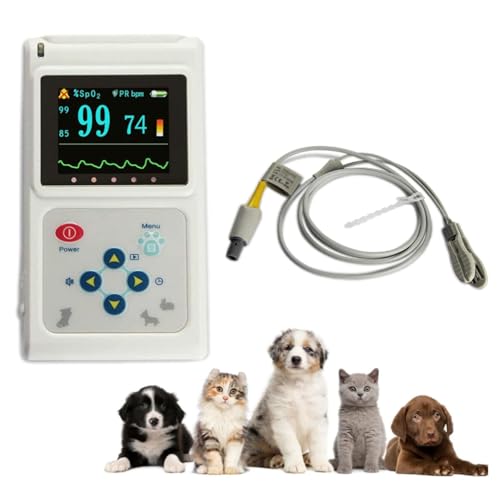
- Measures pulse rate and SpO2
- Compact one-button design
- Stores readings and uploads to computer
Best For: Simple spot checks for cats and small pets
Veterinary Multi-Parameter Monitor
Vet Pulse Oximeter Handheld Oximeter with 2.8" LCD

- Tracks SpO2, heart rate, and temperature
- Includes animal-size selection and dual clip sizes
- Rechargeable with adjustable alarm limits
Best For: Cats and other pets needing multi-vital monitoring
Bluetooth Data Logger
Free App Veterinary Handheld AM1000A-Vet

- Shows SpO2, pulse rate, and bar graph data
- Bluetooth app stores and analyzes readings
- Audible and visual alarms with adjustable limits
Best For: Users who want app-based pulse tracking and record storage
Portable ECG Pick
Portable Pet Heart Rate Monitor, Animal ECG & Vital Signs Device

- Dedicated real-time pet heart rate monitoring
- Veterinary-grade and easy to operate
- Compact design aims for gentle, stress-free use
Best For: Routine heart-rate checks at home or in clinic
Portable Pulse Oximeter for Pets
Accurate Pet Heart Rate Monitor

- Measures SpO2 and pulse rate
- Portable handheld veterinary design
- External probe and data storage
Best For: pet owners and vet use during recovery or respiratory monitoring
3-in-1 Vet Vital Signs Monitor

- SpO2, heart rate, and temperature
- Adjustable alarms and animal-size settings
- Rechargeable battery with up to 20 hours
Best For: multi-parameter monitoring for cats and other pets
Grey 3-in-1 Vet Monitor

- Tracks SpO2, heart rate, and temperature
- Includes pouch and two clip sizes
- Rechargeable with alarm settings
Best For: portable veterinary-style monitoring in a bundled grey version
Portable Vet Pulse Oximeter – Handheld Cat & Dog Heart Rate Monitor
If you want a practical cat heart rate monitor for quick spot checks, this handheld veterinary pulse oximeter is built for measuring pulse rate and SpO2 through a cat’s tongue or ear. It’s a straightforward option for pet owners and clinics that need a compact reader with a clear OLED display and stored results.
Best For: Fast, portable pulse and oxygen checks for cats, dogs, and home or clinic use.
Pros:
- Measures SpO2 and pulse rate with veterinary-oriented tongue or ear use
- 1.8″ color OLED display with brightness adjustment and pulse prompts
- Can store readings and upload data to a computer
- Small, lightweight, and easy to carry
Cons:
- Does not provide continuous monitoring
- Requires proper probe placement for accurate readings
- Best suited to spot checks rather than long-term tracking
Overall, this is a simple handheld choice if you need a cat heart rate monitor that focuses on quick vital-sign readings instead of full-time tracking. Its portability and data storage make it useful for basic home monitoring or veterinary settings.
AI Health Collar – PetPace V3.0 Cat Health Monitor
For buyers who want a cat heart rate monitor with ongoing tracking, the PetPace V3.0 is a subscription-based smart collar that continuously monitors heart rate, breathing, temperature, pulse, activity, sleep, and HRV. It’s designed for owners who want health alerts, vet sharing, and remote insight rather than a simple spot-check device.
Best For: Continuous wellness monitoring, vet collaboration, and GPS tracking for adult cats.
Pros:
- Tracks heart rate, breathing, temperature, pulse, sleep, activity, and HRV 24/7
- AI-driven alerts and health insights can help spot changes early
- Includes GPS tracking and smartwatch compatibility
- Offers telehealth, vet sharing, and secure app-based data storage
Cons:
- Subscription required for core features and services
- Full functionality depends on cellular or Wi-Fi connectivity
- Designed for adult cats, so fit may vary by pet
This is a strong pick if you want more than a basic cat heart rate monitor and value ongoing wellness monitoring with vet access. The tradeoff is the subscription, but the feature set is much broader than a standard pulse reader.
Multi-Parameter Vet Monitor – Handheld Cat Heart Rate Monitor with Temp
If you need a cat heart rate monitor that can do more than pulse checks, this handheld veterinary monitor adds SpO2 and temperature to the mix. It’s built for veterinary use, post-op monitoring, and daily pet checks, with a larger display and adjustable alarms for more controlled readings.
Best For: Multi-sign monitoring in clinics or for owners who need pulse, SpO2, and temperature.
Pros:
- Displays SpO2, pulse rate, plethysmogram, and temperature
- Low-pressure SpO2 sensor is designed for ear, tongue, paw, or tail use
- Adjustable audio and visual alerts for critical thresholds
- Works with rechargeable battery or alkaline batteries
Cons:
- Still a handheld device, so it is not continuous monitoring
- More parameters may mean a steeper learning curve than basic units
- Best results depend on correct sensor size and placement
As a cat heart rate monitor, this model stands out for combining pulse, oxygen, and temperature monitoring in one tool. It’s a sensible choice when you want a more clinical setup and adjustable alerts for closer oversight.
Compact Pet Oximeter – Accurate Cat Heart Rate Monitor
This compact device is a straightforward cat heart rate monitor for owners and veterinary users who want pulse and blood oxygen readings in a portable format. It uses photoelectric oxygenated hemoglobin detection and supports an external probe, making it a simple option for checking vitals on cats and other small animals.
Best For: Budget-friendly spot checks of pulse and SpO2 for cats and small pets.
Pros:
- Measures pulse rate and SpO2 using veterinary-oriented detection technology
- Compact and lightweight for easy transport
- One-button operation with a clear LED display
- Stores readings and supports computer upload
Cons:
- No temperature monitoring
- Designed for spot checks rather than continuous tracking
- Requires proper probe use for reliable results
For a simple cat heart rate monitor, this model focuses on the essentials without extra complexity. It’s a practical pick if you mainly want portable pulse and oxygen readings and don’t need advanced monitoring features.
Veterinary Multi-Parameter Monitor – Vet Pulse Oximeter Handheld Oximeter with 2.8" LCD
If you want a cat heart rate monitor that does more than basic pulse checks, this handheld veterinary unit combines SpO2, heart rate, and temperature in one device. It’s built for pet owners and veterinary use, with selectable animal sizes, adjustable alarms, and a readable 2.8″ color display.
Best For: Cats, dogs, and other small-to-large animals when you need multi-parameter monitoring with alarm settings.
Pros:
- 3-in-1 monitoring for SpO2, heart rate, and temperature
- Selectable menu for small, medium, and large animals
- Includes two SpO2 clip sizes and a rectal temperature probe
- Rechargeable battery with power-saving standby support
Cons:
- Designed for veterinary and pet monitoring, not a casual wellness gadget
- Some users may prefer a simpler device if they only need heart rate
Overall, this is a practical choice if you want one tool to track multiple vital signs and adjust alarms for different animals. The larger screen and bundled probes make it especially useful for more hands-on monitoring.
Bluetooth Data Logger – Free App Veterinary Handheld AM1000A-Vet
This cat heart rate monitor is aimed at users who want pulse and oxygen readings plus easy recordkeeping. The handheld design is compact, and Bluetooth app support lets you analyze and save data on a phone or tablet.
Best For: Pet owners or clinics that want Bluetooth-connected monitoring with stored readings for review.
Pros:
- Displays SpO2, pulse rate, and a bar graph
- Bluetooth connection works with phone or tablet app
- App supports data analysis and preservation
- Audible and visual alarms with adjustable limits
Cons:
- Focuses on SpO2 and pulse rate rather than full vital-sign monitoring
- Runs on AA batteries instead of a rechargeable pack
This model makes sense if your priority is portable monitoring with easy digital storage. Its small size and app-based workflow are especially useful when you want to review measurements later.
Portable ECG Pick – Portable Pet Heart Rate Monitor, Animal ECG & Vital Signs Device
If your main goal is a dedicated cat heart rate monitor, this portable animal ECG unit is built specifically around heart-rate tracking for pets. It’s described as veterinary-grade, compact, and easy to use, with a gentle design meant to keep the experience comfortable for dogs, cats, and small animals.
Best For: Owners and clinics that want a straightforward, portable heart rate monitor for routine checks or post-surgery use.
Pros:
- Focused on accurate, real-time pet heart rate monitoring
- Veterinary-grade positioning for home or clinic use
- Compact and lightweight for portable use
- Designed to be gentle and stress-free for pets
Cons:
- No listed SpO2 or temperature functions in the supplied details
- Minimal accessory and feature information compared with multi-parameter monitors
This is the simplest fit if you want a device centered on heart rate rather than a broader vital-sign package. It’s a practical pick for everyday checks when portability and pet comfort matter most.
Portable Pulse Oximeter for Pets – Accurate Pet Heart Rate Monitor
If you want a cat heart rate monitor that also checks oxygen saturation, this handheld veterinary pulse oximeter is built for quick, non-invasive spot checks. It uses photoelectric oxygenated hemoglobin detection with volumetric pulse scanning, and the external SpO2 probe adds flexibility for different measurement setups.
Best For: Cat owners and veterinary users who need a portable tool for pulse rate and SpO2 monitoring during recovery, anesthesia, or respiratory care.
Pros:
- Measures SpO2 and pulse rate with advanced detection technology.
- Handheld and lightweight design makes it easy to transport.
- External SpO2 probe connection adds measurement versatility.
- Stores readings and can upload data to a computer.
Cons:
- Focused on oxygen and pulse monitoring rather than broader vital signs.
- Designed for veterinary use, so it may be more specialized than casual pet gadgets.
Overall, this is a practical choice if you want a straightforward cat heart rate monitor with added SpO2 tracking and data storage. It is especially useful when fast, non-invasive readings matter most.
3-in-1 Vet Vital Signs Monitor – 2.8" LCD Heart Rate Monitor
This cat heart rate monitor is a better fit if you want more than pulse readings. It combines SpO2, heart rate, and temperature in one handheld unit, with a 2.8-inch color display, selectable animal size settings, and alarm ranges to help support routine monitoring in a vet or home-care setting.
Best For: Pet owners and veterinarians who want a multi-parameter monitor for cats, dogs, and other animals.
Pros:
- Tracks SpO2, heart rate, and temperature in one device.
- Adjustable alarm ranges for all parameters.
- Includes two sizes of silicone-wrapped SpO2 clips for different animals or body parts.
- Rechargeable battery with power-saving and auto shut-off features.
Cons:
- More complex than a simple pulse-only monitor.
- Some features are tailored to veterinary workflows rather than casual at-home use.
If you need a more complete vital-signs tool, this monitor offers broader coverage than a basic cat heart rate monitor. Its temperature probe, alarm settings, and adjustable clip options make it a practical all-in-one pick.
Grey 3-in-1 Vet Monitor – Pet Heart Rate and Temp
For buyers comparing a cat heart rate monitor with added vital-sign tracking, this grey handheld unit delivers the same 3-in-1 monitoring approach in a bundle with a pouch. It measures SpO2, heart rate, and temperature, and includes selectable animal size settings plus adjustable alarm ranges for more controlled monitoring.
Best For: Cat, dog, and horse care where a portable handheld monitor with heart rate, oxygen, and temperature tracking is needed.
Pros:
- 3-in-1 monitoring for SpO2, heart rate, and temperature.
- Selectable small, medium, and big animal settings.
- Two silicone-wrapped SpO2 clip sizes for different measurement needs.
- Rechargeable battery with power-saving mode and auto shut-off.
Cons:
- Functionally very similar to the other bundled 3-in-1 model.
- Best suited to users who need veterinary-style monitoring, not a basic pet accessory.
This is a solid option if you want a cat heart rate monitor that also supports temperature and SpO2 checks. The bundled pouch, large color display, and configurable alerts make it useful for organized, repeat monitoring.
How We Picked the Best Cat Heart Rate Monitor
We focused on monitoring tools that offer useful vital-sign tracking for cats, including heart rate, SpO2, and where available, temperature or ECG-style insights. We prioritized accuracy claims, ease of use, display clarity, battery life, app support, and whether the device is better suited to routine checks or continuous monitoring.
Because a Cat Heart Rate Monitor can serve very different needs, we also looked at portability, probe style, data storage, and how well each type fits nervous pets and fast-moving home use.
Quick Comparison
Handheld pulse oximeters are usually the best fit for spot-checking heart rate and oxygen saturation. They tend to be compact, familiar to veterinary users, and straightforward for short assessments. Smart collars and connected monitors are better for ongoing observation, especially if you want alerts, trends, or remote access through an app.
If you want the simplest buying decision, think in terms of use case: quick occasional checks, daily monitoring, or continuous health tracking. The right format matters more than extra features you may never use.
Key Buying Factors for a Cat Heart Rate Monitor
Accuracy and Sensor Design
Look for devices made for pets, not generic human wearables. Ear, tongue, and sensor-probe designs are common for handheld units and can improve readings when used correctly. For collars, check whether the system is designed to detect trends reliably over time rather than just provide a single spot reading.
Ease of Use
Cats can be hard to keep still, so clear screens, fast readings, and simple controls matter. A readable LCD, rechargeable battery, and intuitive workflow can make a big difference during stressful checks.
Data and Alerts
If you want to monitor changes over time, look for Bluetooth syncing, app storage, or alert features. These are especially helpful for cats with chronic conditions, senior pets, or post-vet follow-up needs.
Comfort and Fit
For wearable options, comfort is critical. A monitor that fits poorly may cause stress or inconsistent data. For handheld devices, check the probe options and whether the device is suitable for cats specifically.
Who Should Buy Which Cat Heart Rate Monitor?
Buy a handheld Cat Heart Rate Monitor if you want affordable, on-demand checks and do not need constant tracking. Choose a smart collar or connected monitor if you want continuous insight, activity trends, and health alerts. Veterinary clinics, breeders, and multi-pet homes may benefit most from devices with strong data features and fast readouts.
In short, pick the format that matches how often you plan to monitor your cat and how much detail you actually need. The best choice is the one you will use consistently and correctly.